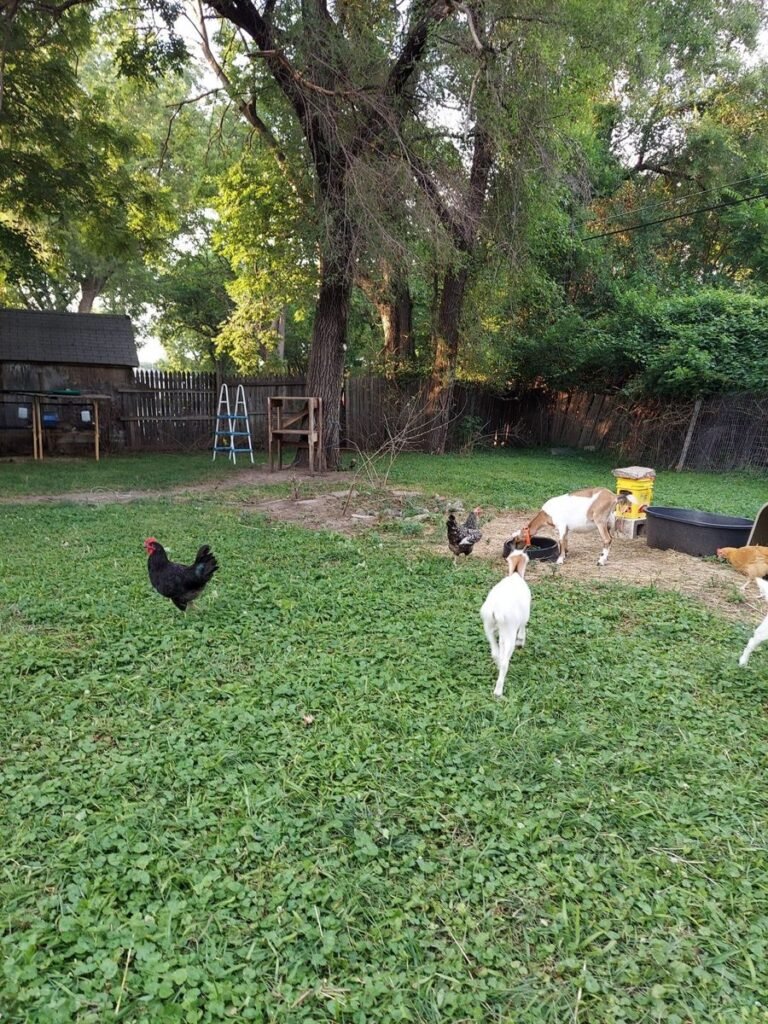
Golden Cross chickens are the heart of our urban homestead in Topeka, Kansas. They give us eggs, eat our bugs, and keep life interesting. Here’s where our flock came from, what the breeds behind it are like, and what we’ve learned keeping chickens in town.
Meet Our Golden Cross Chickens
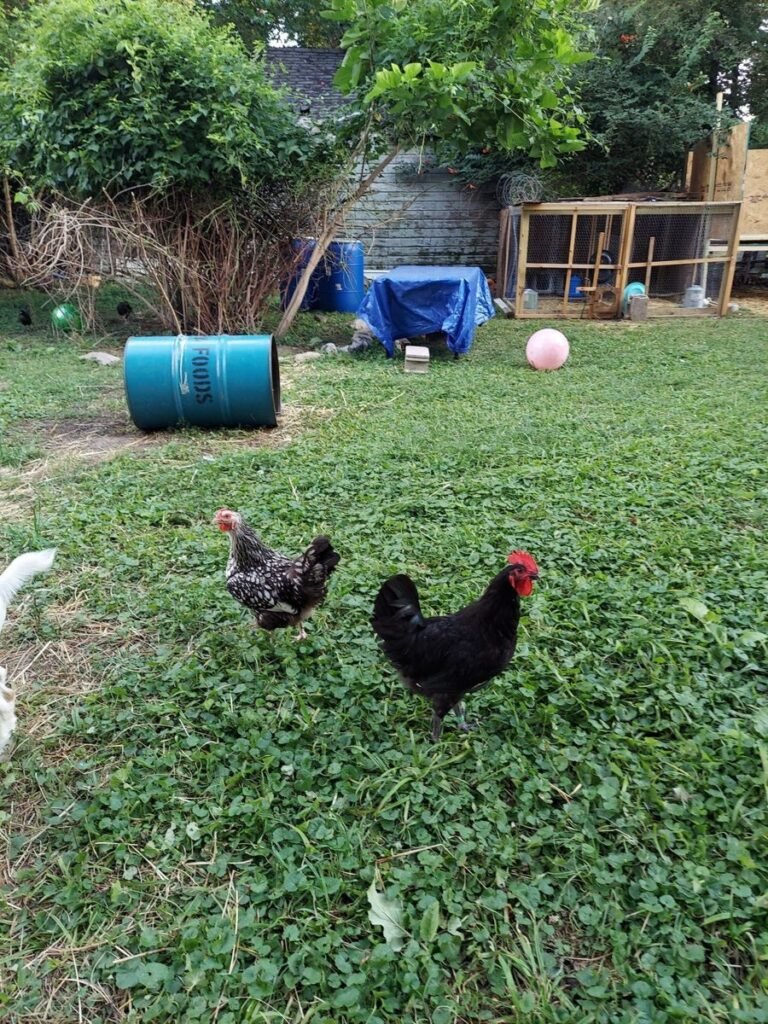
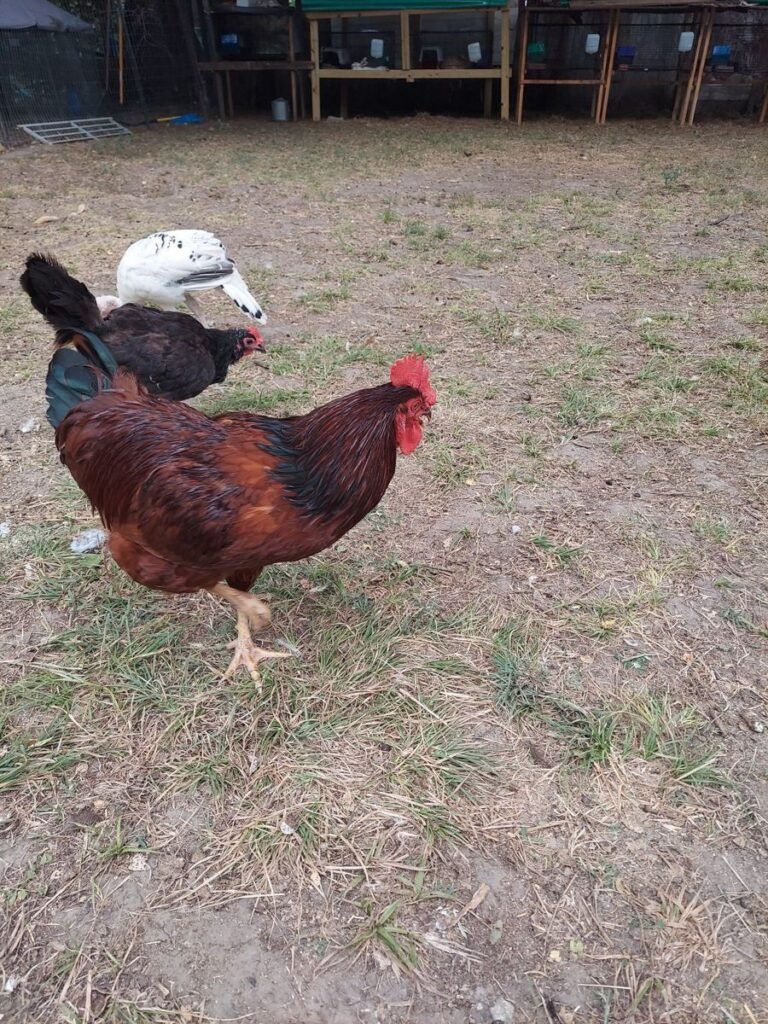
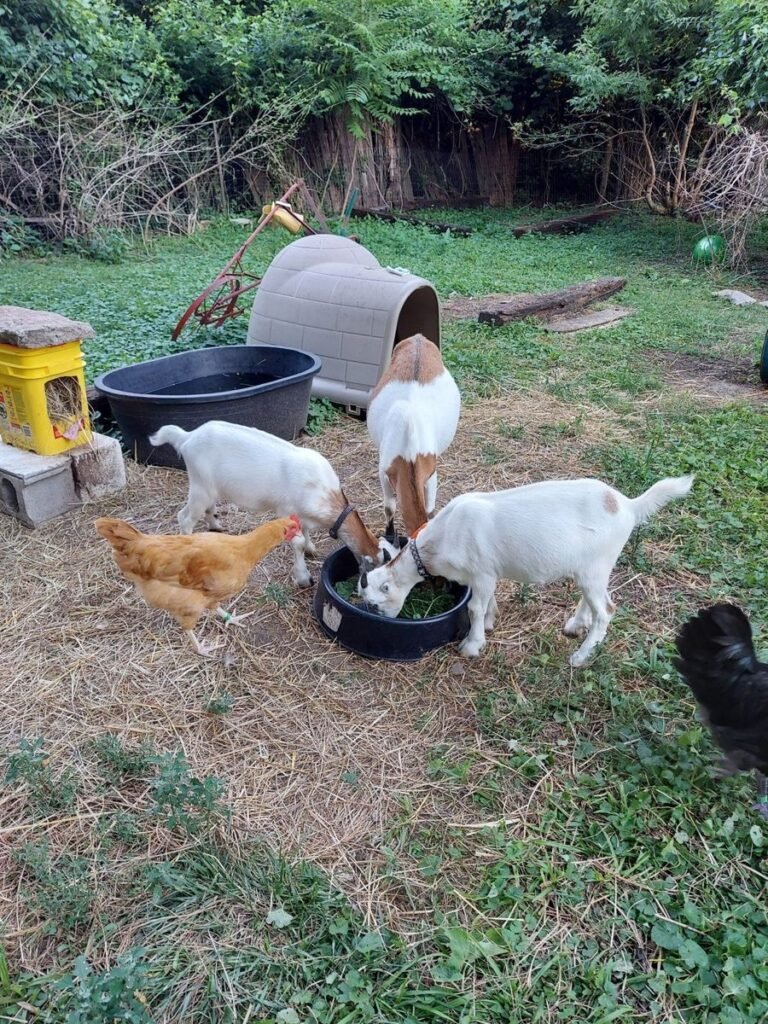
Over the years we’ve raised Black Australorps, Rhode Island Reds, Bresse, Orpingtons, Sex Links, Plymouth Rocks, Jersey Giants, and Wyandottes, plus Sebright bantams. Today our flock is a barnyard mix of all that good breeding, and we call them our Golden Crosses. Every one is a little different, and that’s half the fun.
Our first four chicks came home in 2022, and every one of them turned out to be a rooster. One of them, Mr. Roo, a Black Australorp, is still with us. You can read that story in how Golden T Cross Farm got started.
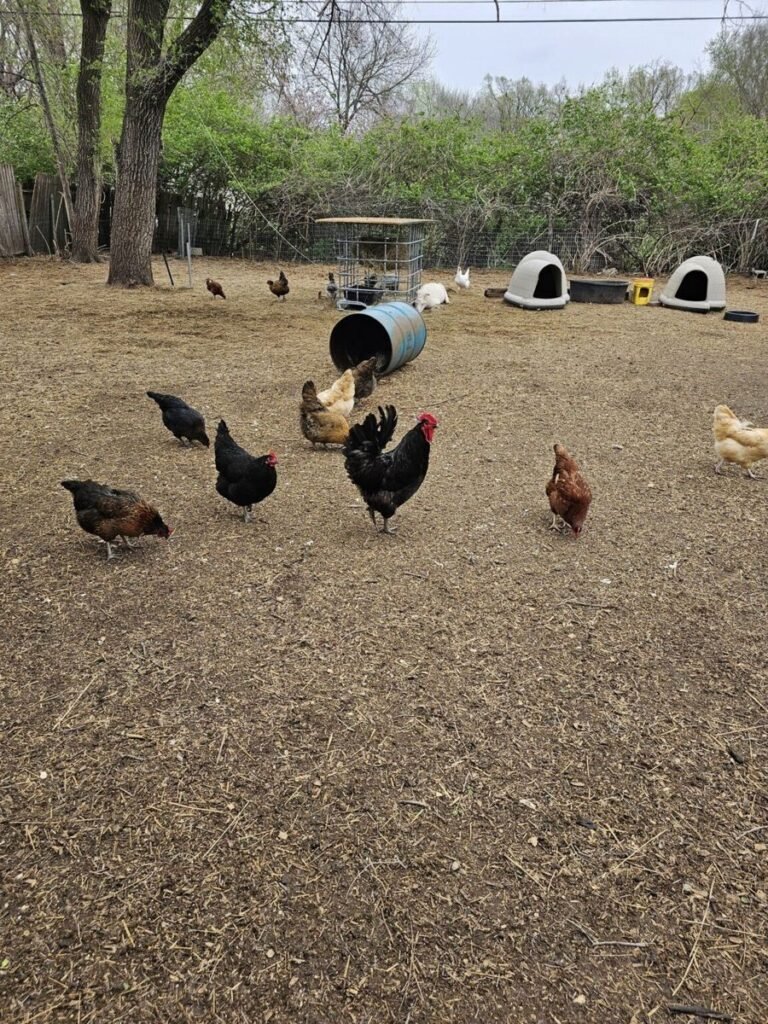
Breeds Behind Our Golden Cross Chickens
- Australorp: Calm, friendly, and one of the best light-brown egg layers around, often about 250 eggs a year or more. Their black feathers shine green in the sun, and they handle cold winters well.
- Rhode Island Red: Tough, hardy, and a steady layer of about 250 brown eggs a year. They do well in heat and cold, but the roosters can be bossy.
- Buff Orpington: Big, fluffy, and gentle, a great first chicken for families. They typically lay about 200 brown eggs a year and are prone to going broody.
Eggs From Our Golden Cross Chickens
Our Golden Crosses lay tan, pink, blue-green, and white eggs, so every basket looks a little different. In summer our hens give us about 6 to 8 eggs a day. In winter, with shorter days, that drops to about 4.
Keeping Chickens in Town
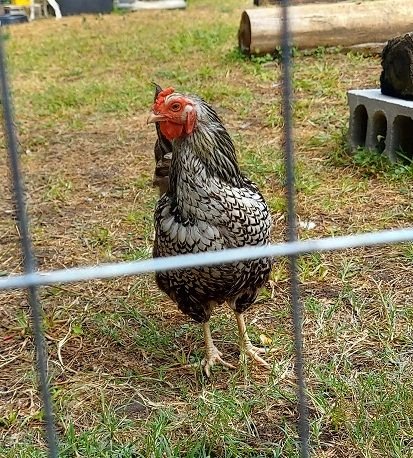
Topeka is pretty friendly to backyard chickens, but there are rules. Poultry has to stay on your own property in a fenced area and a fully enclosed pen, and it can’t be kept within 50 feet of anyone else’s house. Rules change, so read the current city code before you build. I cover the details in our urban homestead story.
What Every Chicken Keeper Should Know
- Hens lay best in their first two or three years, then slow down.
- Most backyard hens live about 6 to 8 years.
- A molting hen will stop laying for a while. That’s normal, not a problem. K-State’s guide to molting in small flocks explains why.
- Predators are the biggest threat. Lock the coop up tight every night.
Have a question about which breed fits your place? Ask us on X at @jcibme.