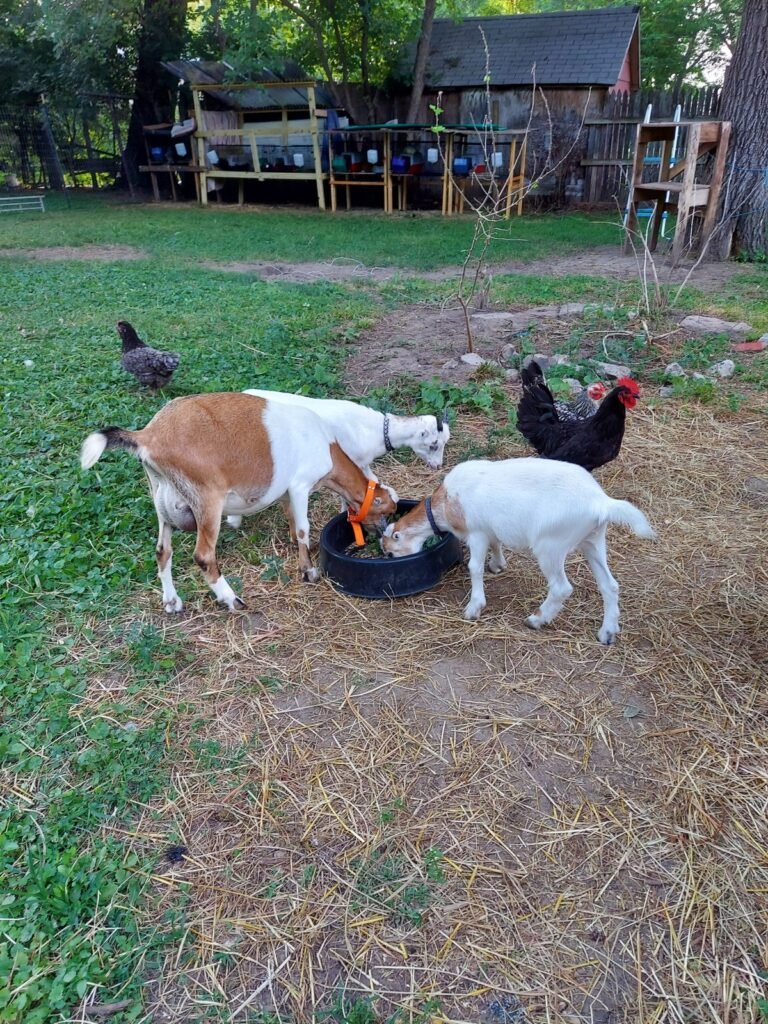
We raised Mini LaMancha goats here from 2022 until 2025, when they went on to great new homes. Goats are some of the hardest-working animals on any homestead, and the right breed makes all the difference. Here’s how the breeds we talk about most compare.
Dairy Goats We Learned About
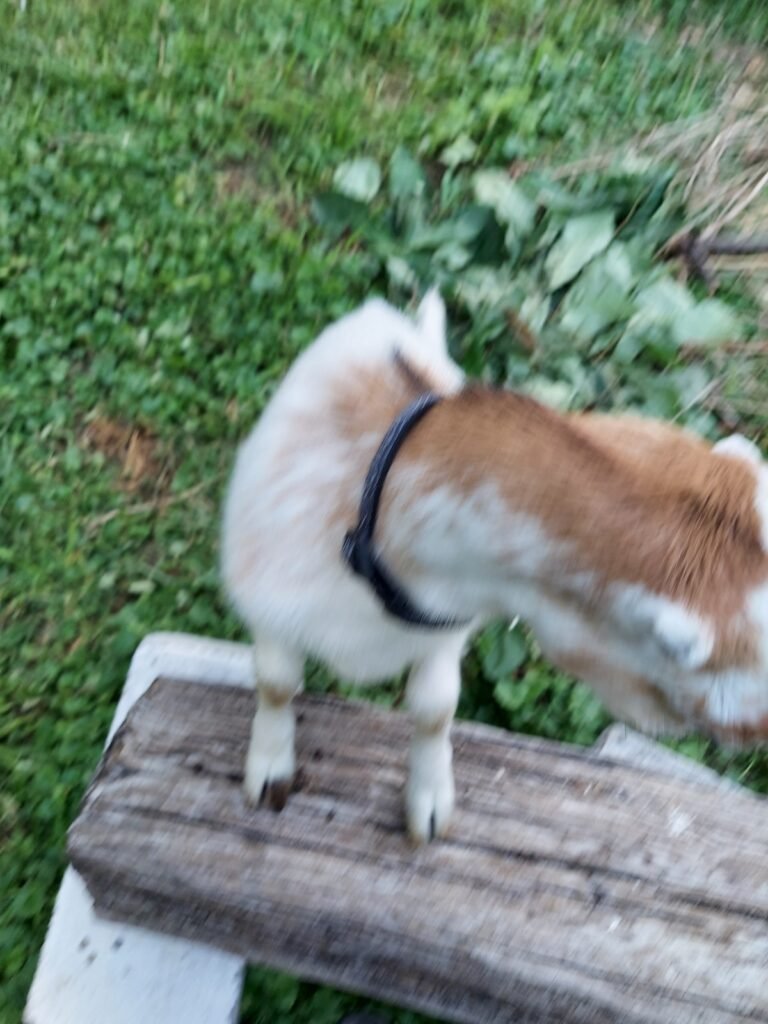
- Mini LaMancha (our former herd): These are the goats you’ll see in our photos. A cross of LaMancha and Nigerian Dwarf, they’re known for their tiny ears, calm and friendly nature, and rich milk in a mid-size goat that’s easy to handle.
- Nubian: Big, friendly, and known for those long floppy ears. Rich, creamy milk and good heat tolerance. Fair warning: they’re among the loudest goats around.
- Nigerian Dwarf: Small enough for a backyard, and its milk has the highest butterfat of any dairy breed, great for cheese and soap. Quieter than a Nubian, and easier to handle.
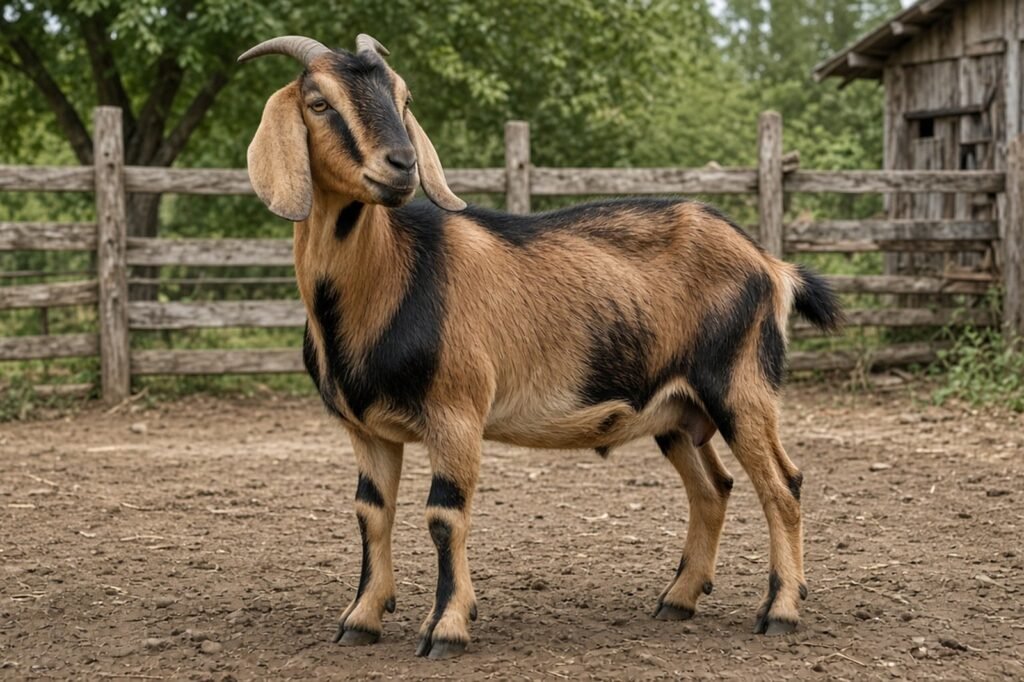
Meat Goats We Learned About
- Boer: Fast-growing and heavily muscled, the classic meat goat. They need good feed and closer watching for parasites and hoof problems.
- Kiko: Bred to thrive with less help. Hardy, good mothers, and more resistant to parasites, which makes them a low-maintenance choice.


What Every Goat Keeper Should Know
- Goats are herd animals, so never keep just one.
- A healthy goat can live 10 to 15 years.
- A goat off its feed is the first warning sign. Check them early.
- Good fencing matters. If water can get through it, a goat can too.
Have a question about which breed fits your place? Ask us on X at @jcibme.