
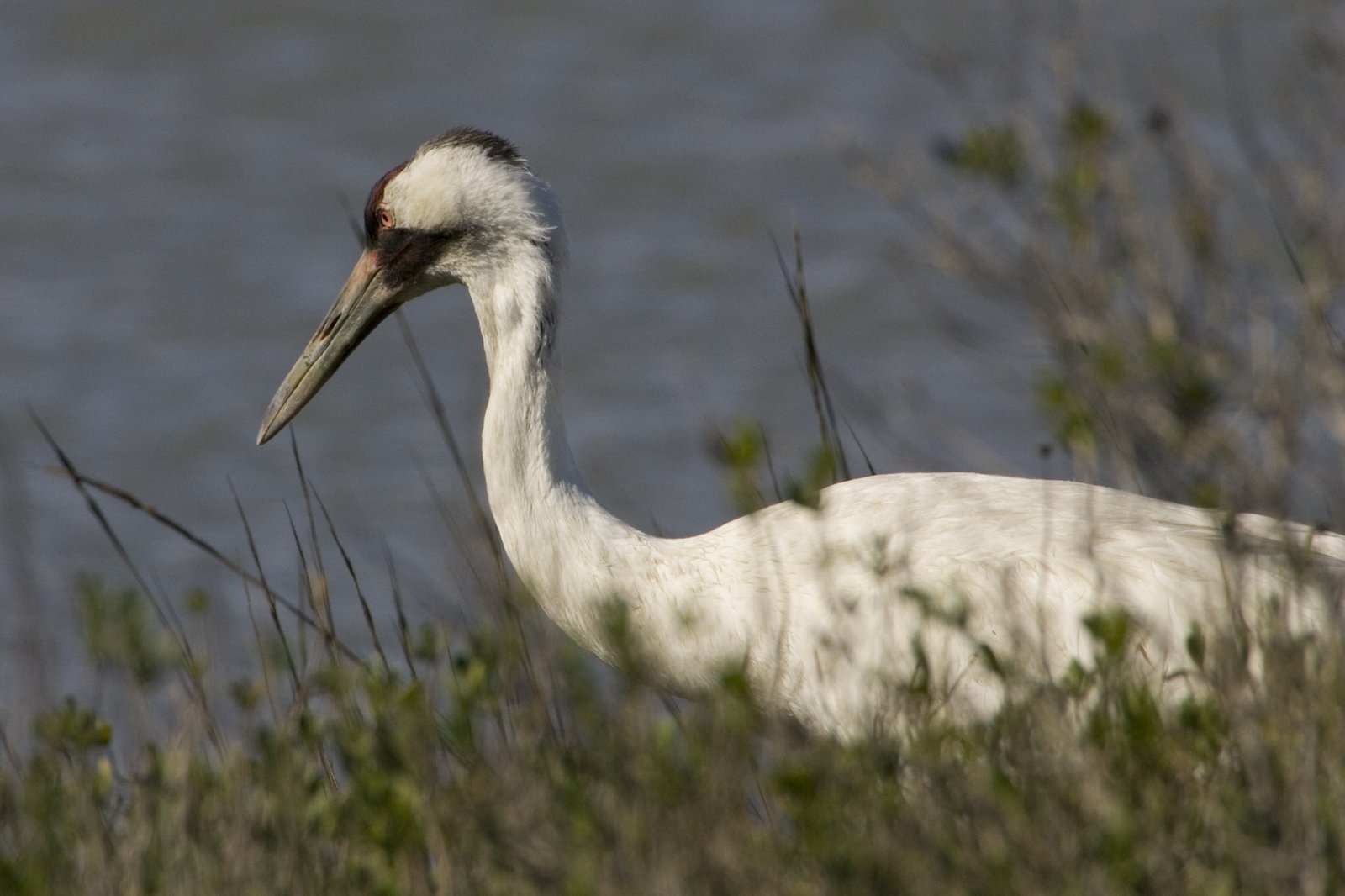
Every fall, one of the rarest birds in North America flies right over the middle of Kansas on its way to Texas. Whooping cranes in Kansas are hard to miss: they stand about five feet tall, they are bright white, and there are only a few hundred of them that make this trip. This year they are running late, and that is good news if you were hoping to see one, because the window for a sighting is still open.
The Whoopers Are Late This Year
According to a Kansas Reflector story from November 13, 2026, whooping cranes usually start showing up at Cheyenne Bottoms and Quivira National Wildlife Refuge in early October. This fall, the first local sighting was not reported until early November, when 15 were spotted at Quivira. As of that story, none had been seen at Cheyenne Bottoms yet.
Fun fact: the people who spotted them first were folks at the Audubon of Kansas Crane Festival in Sterling, which ran November 6 through 8. Talk about good timing.
Mike Rader, wildlife education supervisor for the Kansas Department of Wildlife and Parks, told the Reflector the delay comes from a warmer autumn in Canada. The birds are finding what they need up north, so they are in no hurry to leave. He said fall migration has been getting later over the past several years, and whoopers were even spotted at Quivira over Christmas 2025.
Why Kansas Matters So Much to These Birds
Whooping cranes that use the Central Flyway spend their summers at Wood Buffalo National Park in Canada and their winters at Aransas National Wildlife Refuge on the Texas Gulf Coast. The Kansas Reflector calls the Central Flyway a 2,500-mile superhighway over the Great Plains, and central Kansas sits right in the middle of it.
Cheyenne Bottoms in Barton County and Quivira National Wildlife Refuge in Stafford County are about 40 miles apart. Together they form a wetland complex recognized as Wetlands of International Importance. The U.S. Fish and Wildlife Service says more than 340 bird species have been documented at Quivira, and the refuge is listed as critical habitat for the endangered whooping crane.
A Comeback Story That Is Still Being Written
The Kansas Wetlands Education Center says only 16 whooping cranes were left in the early 1940s. Today, according to the Reflector, the global population is estimated at more than 800, with about 550 making the Central Flyway trip in the United States.
That is a big improvement, but they are still in trouble. Whooping cranes take years to reach breeding age, not every pair raises young, and a female may raise only one surviving chick a season. They also face power lines, predators, habitat loss, drought, and illegal shooting. Killing a whooping crane is a federal crime that can bring a $100,000 fine and a year in prison.
How to Tell a Whooper From a Sandhill
Whoopers usually travel with their much more common gray cousins, the sandhill cranes, so here is what to look for:
- Size: Whooping cranes are the tallest bird in North America, about five feet tall, with a wingspan around seven feet.
- Color: Adults are mostly white with black wingtips you can see when they fly, a dark red crown, and a black “mustache” on the face.
- Young birds: Juveniles are rusty colored and usually travel right alongside their parents.
- Sound: They are named for their loud, trumpeting “whoop” call.
Tips If You Want to Go Look
- Keep your distance. The Kansas Wetlands Education Center recommends staying at least a quarter mile away from whooping cranes.
- Use your car as a blind. Stay in your vehicle, keep noise and movement low, and never walk toward the birds.
- Check the hours. Quivira is open from an hour and a half before sunrise to an hour and a half after sunset. The Auto Tour road around the Big Salt Marsh is a good spot for watching and photos.
- Watch the Whooper Watch page. The Kansas Wetlands Education Center posts sightings on its Whooper Watch page, so you can see where they have been spotted before you make the drive.
A Heads Up for Hunters
If you hunt waterfowl or sandhill cranes in central Kansas, pay attention this month. Quivira closes to all hunting when whooping cranes are on the refuge, and the Fish and Wildlife Service says those closures can happen very suddenly. Sandhill cranes cannot be hunted on the refuge at all. At Cheyenne Bottoms, the pool where whoopers are sitting closes to hunting while they are there. Know what you are shooting at, and check for closures before you head out.
Heading out after birds this month? See our tips for December pheasant hunting in Kansas.
Quick FAQ
When is the best time to see whooping cranes in Kansas?
The Kansas Wetlands Education Center says the end of October through the first half of November is usually best. With this year’s late start, sightings may keep coming later than normal.
Where do they stop in Kansas?
The best known spots are Cheyenne Bottoms Wildlife Area in Barton County and Quivira National Wildlife Refuge in Stafford County.
How many whooping cranes are there?
The global population is estimated at a little over 800, with about 550 migrating through the Central Flyway.
I love that something this rare still passes right through our state every fall. If you get out to Quivira or the Bottoms this month and spot one, count yourself lucky. Just keep your distance and let them rest up for the rest of the trip to Texas.